
The Philosophical Underpinnings of Risk and Reward
At its core, gambling is an exploration of probability and human psychology, deeply intertwined with philosophical concepts. The act of placing a wager, whether on a roulette wheel or a sporting event, involves a calculated assessment of risk against potential reward. This mirrors philosophical inquiries into decision-making under uncertainty and the nature of belief, particularly when faced with incomplete information.
Philosophers have long debated free will versus determinism, and gambling offers a tangible, albeit simplified, arena for these discussions. Do players truly have agency in their choices, or are outcomes predetermined by chance and the underlying mechanics of the game? Understanding these philosophical currents can enhance one’s appreciation for the complexities inherent in every bet placed, whether at a physical establishment or an online platform like . betpanda
Decision Theory and the Art of Strategy
The realm of gambling can be viewed through the lens of decision theory, a field that draws heavily from logic and mathematics to analyze choices. Effective gambling strategies, particularly in games of skill or those with discernible patterns, require a rational approach to maximizing expected value. This involves understanding odds, managing bankrolls, and making informed decisions based on available data, much like a philosopher meticulously constructs an argument.
The pursuit of a winning strategy in gambling often mirrors the philosophical quest for truth and knowledge. Players seek to uncover underlying principles, identify biases, and exploit inefficiencies. This intellectual engagement, where logic and foresight are paramount, adds a layer of depth beyond mere chance, elevating the experience for those who approach it with a strategic mindset, a mindset fostered by careful consideration of the probabilities presented by games available at online casinos.
The Psychology of Chance and Perception
Gambling also delves into the fascinating psychology of how humans perceive chance. Cognitive biases, such as the gambler’s fallacy or overconfidence, can significantly impact decision-making. Recognizing these psychological pitfalls is a crucial step in developing a more disciplined approach to wagering. This self-awareness is a cornerstone of many philosophical traditions, emphasizing introspection and understanding one’s own limitations.
The thrill of a win and the sting of a loss are powerful emotional experiences that gambling amplifies. Philosophically, these reactions can be analyzed in terms of hedonism, stoicism, and the pursuit of happiness. How individuals cope with the inherent volatility of gambling, maintaining emotional equilibrium, reflects a deeper engagement with existential questions about fortune, fate, and resilience in the face of unpredictable outcomes.
Ethical Considerations in Wagering
Beyond strategy and psychology, gambling raises significant ethical questions concerning responsibility, addiction, and the societal impact of the industry. Philosophers have long grappled with the ethics of pleasure, self-control, and the potential for harm. Responsible gambling practices are not merely regulatory requirements but ethical imperatives, ensuring that the pursuit of entertainment does not lead to detrimental consequences for individuals or communities.
Exploring these ethical dimensions encourages a more mindful approach to gambling. It prompts questions about fairness, the integrity of games, and the social contract between operators and players. A philosophical perspective encourages a balanced view, acknowledging the entertainment value while remaining acutely aware of the potential risks and the importance of ethical conduct in all forms of wagering.
Navigating the Philosophical Landscape at Betpanda Casino
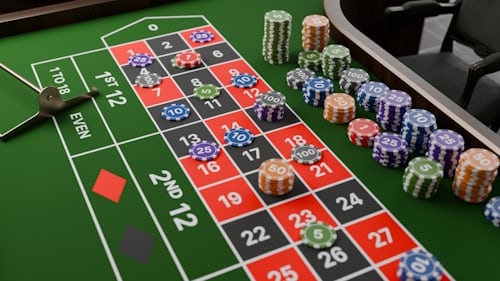
offers a diverse array of games that provide ample opportunity for engaging with the philosophical concepts discussed. From the mathematical probabilities of blackjack and roulette to the strategic elements of poker and sports betting, players can find themselves constantly evaluating risk, applying logic, and confronting their own psychological biases. The very act of choosing a game and placing a bet at is an exercise in decision-making under uncertainty.
For those who appreciate the intellectual and psychological dimensions of gambling, serves as a digital arena for exploring these ideas. By understanding the underlying principles of probability, strategy, and human perception, players can approach their gaming experience at with a greater sense of awareness and control. This thoughtful engagement transforms mere chance into a more profound exploration of risk, reward, and the intricacies of human decision-making, all within the accessible platform provided by .
